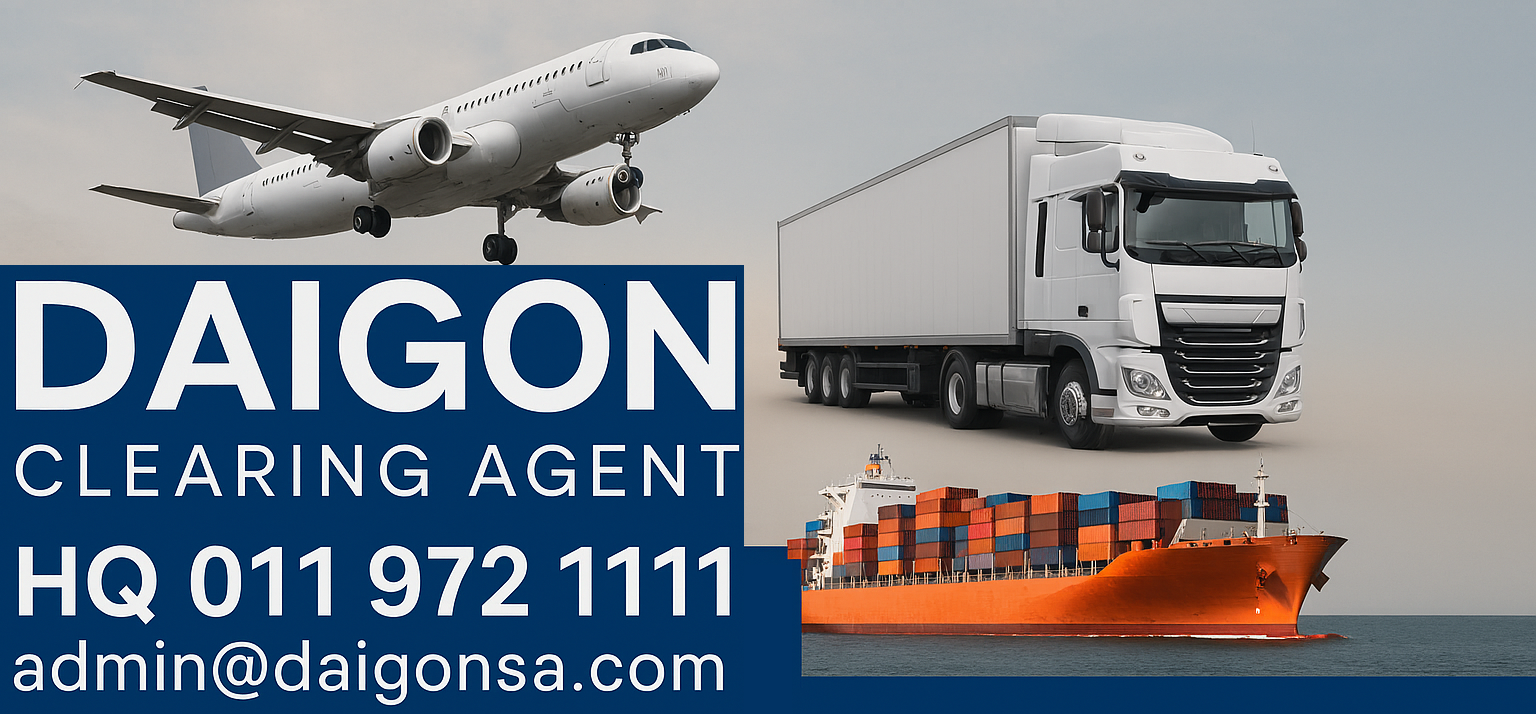
Freight Forwarding – Complete Logistics Solutions for Global and Local Cargo Movement
In a world where supply chains are becoming more complex and customer expectations continue to rise, businesses need reliable, efficient, and cost-effective ways to move goods across borders. This is where freight forwarding becomes essential. Whether you are importing machinery, exporting manufactured goods, or managing a multi-country supply chain, a professional freight forwarder ensures your cargo moves smoothly from origin to destination. At Daigon, we specialise in comprehensive freight forwarding solutions that integrate air, sea, road, and rail transport. Our team manages every step of the logistics process — from booking cargo space and handling documentation to customs clearance and final delivery. With years of experience and a global network of partners, we provide a seamless, end-to-end logistics service tailored to your business needs.
What Is Freight Forwarding?
Freight forwarding is the process of planning, coordinating, and managing the movement of goods across domestic and international borders. A freight forwarder acts as the central point of contact between shippers, carriers, customs authorities, and transport providers.- Cargo bookings with airlines, shipping lines, and transporters
- Customs documentation and regulatory compliance
- Warehousing, packing, and consolidation
- Route planning and cost optimisation
- Tracking and communication
- Insurance and risk management
- Final delivery to the consignee
Why Businesses Need Freight Forwarding Services
Modern supply chains involve multiple touchpoints, regulations, and transport modes. Without expert coordination, delays and unnecessary costs can quickly accumulate.A freight forwarder helps businesses:- Reduce transport costs through optimised routing
- Avoid customs delays and penalties
- Improve delivery times
- Manage multi-modal shipments
- Access global carrier networks
- Maintain visibility and control over cargo
- Reduce administrative workload
Our Freight Forwarding Services
Daigon offers a full suite of freight forwarding services designed to support businesses across all industries.1. Air Freight
- Airport-to-airport and door-to-door delivery
- Priority and express air cargo
- Consolidated airfreight options
- Handling perishables, dangerous goods, and high-value cargo
- Full customs clearance at major airports
- Real-time tracking and updates
2. Sea Freight
- Full Container Load (FCL)
- Less-than-Container Load (LCL)
- Breakbulk and project cargo
- Ro-Ro shipments
- Port handling and depot coordination
- Import and export customs clearance
3. Road Freight
- Local and long-distance transport
- Cross-border freight into SADC
- Consolidated and dedicated truck loads
- Hazardous cargo transport
- Last-mile delivery
4. Rail Freight
- Container rail transport
- Bulk commodity movement
- Intermodal rail-road solutions
- Depot coordination and customs support
5. Multi-Modal Freight
We combine air, sea, road, and rail to create the most efficient route for your cargo.Types of Freight Forwarding Explained
Freight forwarding is not a single service. It is a combination of specialised logistics disciplines that work together to move cargo efficiently across borders. Each type of freight forwarding has its own processes, advantages, and ideal use cases. Understanding these categories helps importers and exporters choose the right method for their cargo and budget.1. Air Freight
Air freight forwarding focuses on the movement of goods by air, using commercial airlines or dedicated cargo aircraft. It is the fastest way to move cargo internationally and is ideal for urgent or high-value shipments that cannot afford long transit times.Key Features
- Fastest international transport method
- Ideal for urgent, high-value, or time-sensitive cargo
- Strict security and packaging requirements
- Higher cost compared to sea or road freight
Typical Cargo
- Electronics and technology products
- Medical supplies and pharmaceuticals
- Perishables such as food and flowers
- High-value items and spare parts
- E-commerce parcels and express deliveries
What the Freight Forwarder Handles
- Booking cargo space with airlines
- Airport terminal coordination
- Customs clearance at origin and destination
- Air Waybill (AWB) documentation
- Dangerous goods compliance where applicable
- Tracking and delivery arrangements
2. Sea Freight
Sea freight forwarding, also called ocean freight forwarding, is the movement of goods by sea using container vessels or breakbulk ships. It is the most cost-effective method for large or heavy shipments and is widely used in international trade.Key Features
- Most economical option for bulk and high-volume cargo
- Longer transit times compared to air freight
- Multiple container and shipping options
- Suitable for a wide range of cargo types
Container Types
- FCL (Full Container Load)
- LCL (Less-than-Container Load)
- Reefer containers for temperature-controlled goods
- Open-top and flat-rack containers for oversized cargo
Typical Cargo
- Machinery and industrial equipment
- Furniture and household goods
- Vehicles and auto parts
- Bulk commodities and raw materials
- Retail and wholesale stock
What the Freight Forwarder Handles
- Booking space with shipping lines
- Port handling and depot coordination
- Bill of Lading preparation and management
- Import and export customs clearance
- Container tracking and status updates
- Delivery to and from ports and depots
3. Road Freight
Road freight forwarding covers the movement of goods by truck within a country and across borders. It is essential for regional distribution, last-mile delivery, and cross-border trade.Key Features
- Flexible and widely accessible transport option
- Suitable for local, regional, and cross-border movements
- Can be combined with air or sea freight in multi-modal solutions
- Handles palletised, loose, and containerised cargo
Typical Cargo
- Retail and FMCG goods
- Industrial supplies and equipment
- Cross-border shipments into neighbouring countries
- Last-mile deliveries from ports and airports
What the Freight Forwarder Handles
- Route planning and transit time estimation
- Transport bookings with reliable carriers
- Cross-border documentation and customs support
- Proof of Delivery (POD) management
- Compliance with hazardous cargo regulations where necessary
4. Rail Freight
Rail freight forwarding uses rail networks to move goods over medium to long distances, often as part of an intermodal logistics solution. It is a cost-effective and environmentally friendly option for heavy or bulk cargo.Key Features
- Cost-effective for heavy and bulk shipments
- Lower carbon footprint compared to road transport
- Reliable schedules on established routes
- Suitable for inland container and bulk movements
Typical Cargo
- Minerals and raw materials
- Steel, timber, and construction materials
- Containers moving between ports and inland depots
- High-volume industrial cargo
What the Freight Forwarder Handles
- Rail bookings and scheduling
- Coordination with rail operators and depots
- Intermodal transfers between rail and road
- Customs clearance for cross-border rail movements
- Tracking and documentation for rail shipments
5. Multi-Modal Freight
Multi-modal freight forwarding combines two or more transport modes under a single contract and a single point of responsibility. This approach is used to balance cost, speed, and reliability in complex supply chains.Key Features
- One contract and one forwarder handling multiple transport modes
- Reduced handling and smoother transit
- Improved flexibility and route optimisation
- Lower risk of delays at transition points
Common Multi-Modal Combinations
- Sea and road freight (port to door)
- Air and road freight (airport to door)
- Rail and sea freight (inland to port)
- Air and sea freight for cost-speed balance
What the Freight Forwarder Handles
- Complete route design and transit planning
- Carrier and mode coordination at each leg
- Customs clearance at every required point
- Consolidation and deconsolidation of cargo
- End-to-end tracking across all modes
6. Project Cargo Forwarding
Project cargo forwarding deals with oversized, heavy, or complex shipments that require special planning, equipment, and permits. These projects often involve multiple shipments and coordination between various stakeholders.Key Features
- Customised logistics planning for each project
- Use of specialised vehicles and lifting equipment
- Route surveys and risk assessments
- Compliance with road, port, and safety regulations
Typical Cargo
- Mining and construction equipment
- Industrial plants and components
- Wind turbines and energy infrastructure
- Large machinery and oversized structures
What the Freight Forwarder Handles
- Specialised transport and heavy-lift coordination
- Engineering input and route planning
- Permits, escorts, and regulatory approvals
- On-site delivery planning and supervision
7. Consolidation Freight Forwarding
Consolidation involves combining multiple smaller shipments into a single larger shipment to reduce transport costs. Consolidation is available for both air and sea freight and is commonly used by smaller importers and e-commerce businesses.Key Features
- Lower shipping costs by sharing space
- Regular departure schedules
- Suitable for smaller or low-volume shipments
- Available as air consolidation and LCL sea freight
What the Freight Forwarder Handles
- Cargo collection from multiple suppliers
- Warehouse consolidation and palletising
- Shared container or pallet space management
- Customs clearance for consolidated loads
- Deconsolidation and distribution at destination
8. Express and Courier Freight Forwarding
Express and courier freight forwarding is used for urgent, small, or high-priority shipments that require very fast transit times and door-to-door service. These services are commonly used for documents, samples, and small parcels.Key Features
- Door-to-door service
- Very fast transit times
- Tracking from collection to delivery
- Includes customs clearance for international shipments
Best Use Cases
- Documents and contracts
- Product samples
- Small, high-value items
- Urgent spare parts and replacements
9. Cross-Border Freight Forwarding
Cross-border freight forwarding focuses on the movement of goods between neighbouring countries. In Southern Africa, this often involves road freight into SADC countries, with specific customs and transit requirements.Key Features
- Road-based transport between countries
- Border documentation and permits
- Customs coordination on both sides of the border
- Transit bonds and regional trade requirements
Typical Destinations in SADC
- Botswana and Namibia
- Zimbabwe and Mozambique
- Zambia and Malawi
- Lesotho and Eswatini
10. Dangerous Goods Freight Forwarding
Dangerous goods (DG) freight forwarding involves the movement of regulated or hazardous materials that require specialised handling, packaging, and documentation. Only trained and certified operators may handle these shipments.Key Features
- Strict compliance with DG regulations
- Special packaging, labelling, and documentation
- Airline and shipping line approvals
- Enhanced safety procedures throughout the journey
Typical Dangerous Goods
- Lithium batteries
- Chemicals and solvents
- Aerosols and flammable liquids
- Certain industrial and laboratory products
Customs Clearance as Part of Freight Forwarding
Customs clearance is one of the most critical components of freight forwarding. Incorrect documentation or tariff classification can cause costly delays.- Tariff classification
- Duty and VAT calculations
- SARS submissions
- Permits and certificates (ITAC, NRCS, SAPHRA)
- Temporary imports and bonded cargo
- Customs stops, inspections, and queries
Industries We Serve
- Retail and e-commerce
- Automotive and engineering
- Pharmaceuticals and medical supplies
- Electronics and technology
- Agriculture and food products
- Mining and heavy equipment
- Manufacturing and distribution
- NGOs and government departments
Benefits of Using Daigon as Your Freight Forwarder
- Expertise and experience
- Global partner network
- End-to-end visibility
- Cost-effective solutions
- Compliance-driven approach
- Personalised service
SEO Keyword Strategy for Freight Forwarding
Primary Keyword
- freight forwarding
Secondary Keywords
- freight forwarding services
- freight forwarder South Africa
- international freight forwarding
- logistics and freight forwarding
- freight forwarding company
Long-Tail Keywords
- affordable freight forwarding services in South Africa
- international freight forwarding for small businesses
- freight forwarding and customs clearance solutions
- multi-modal freight forwarding solutions
Keyword Alternatives
- logistics forwarding
- cargo forwarding services
- global freight solutions
- international cargo logistics